


 Back to Blog
Varying Regions Require Varying Crisis Messages: Study
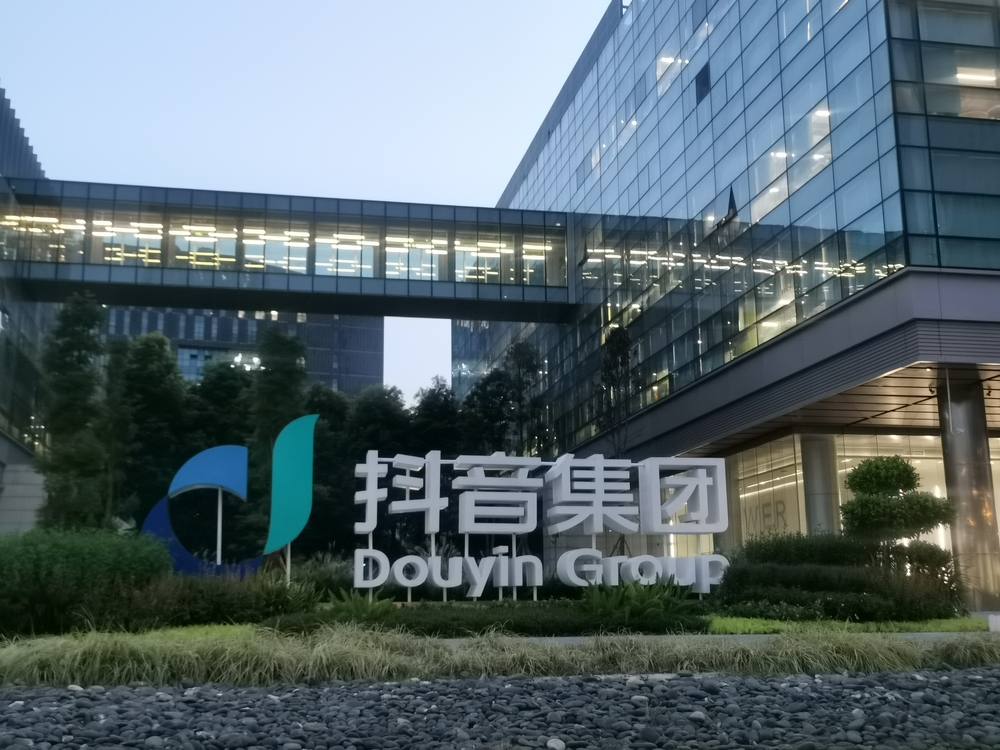


A new study makes the fascinating case that people’s emotional and substantive responses on social media to a crisis can differ based on socioeconomics — and communicators’ messaging should follow suit. The analysis also goes beyond the positive-negative dichotomy in evaluating comments about a crisis.
The research by three China-based academics used as its case study the January 2024 dormitory fire at Yingcai School in Henan Province in which 13 third-grade students died. The study, published online Jan. 19, assessed 185,148 comments to 49 short-form videos about the tragedy posted on the Douyin social-media platform, which is TikTok in China.
The authors found different substantive and emotional responses depending on the socioeconomics of the region the remarks were from. The data for China’s provinces included gross domestic product (GDP), education levels, population density, infrastructure quality and other measures.
In a display of how artificial intelligence may continue to change how public response to a crisis is interpreted, the researchers used a large language model (OpenAI’s GPT-4o mini) to analyze the comments about the school tragedy.
Emotions, Substance
This allowed them to go beyond the typical positive-negative split in analyzing social-media sentiment to embrace a wider variety of emotional categories such as anger, disgust, fear and sadness. It also allowed the investigators to evaluate the reactions according to themes, getting at their substance, such as fact-finding, management accountability and safety concerns.
The comments were dominated by two sentiments: sadness (34.2 percent) and anger (26.4 percent). “Sadness reflects collective grief and widespread sympathy for the victims, while anger was primarily directed at perceived institutional negligence,” the researchers write.
At 29.4 percent, the most-prevalent theme was systemic critique, meaning, as the authors put it, viewing “the tragedy as a symptom of broader societal issues rather than an isolated incident.” That was followed by management accountability — demands for accountability from school leaders — at 16.3 percent.
As for the differences in areas’ socioeconomic background, the researchers found that people in the more-developed provinces were more likely to be angry and more likely to be concerned with assigning blame. They write that “populations in more-developed regions, characterized by higher education and better living standards, exhibited stronger moral condemnation and critical emotional responses to perceived institutional failures,” ranking high with “anger” and “disgust.”
‘Public Anger’
The authors also found that commenters in more-advanced areas were significantly more likely to demand accountability. “This indicates that populations in regions with higher education levels and better living standards held institutions to stricter standards of responsibility,” they write, adding: “It suggests that public anger is not random noise but a structured signal of heightened civic expectations,” especially the expectation of holding parties responsible.
As for messaging, this means that “authorities in more-developed regions should anticipate and be prepared to address a crisis dominated by anger and disgust, requiring transparent accountability,” they write.
Accountability was much less demanded by commenters in less-developed regions. Instead, these areas were more likely to express trust — the third-biggest sentiment overall — which the researchers say was “often associated with expressions of confidence in proposed reforms.”
Clear Communication
As for content, the commenters in the less-developed areas were more likely to make fact-finding comments, such as asking “What type of school was this?” and “What caused the fire initially?” So, in these less-developed areas, “prioritizing clear, fact-based communication may be a more-effective initial strategy to manage public concern,” the authors write.
They say the overall lesson for crisis communicators is: “Instead of crafting a single message, [communicators] should develop a communication portfolio.”
The study was conducted by Pu Zhang and Zheng Wei of the Hong Kong University of Science and Technology and Feng Kong of China Agricultural University and Tsinghua University.
Photo Credit: Hibiscus fafafa/Shutterstock
Sign up for our free weekly newsletter on crisis communications. Each week we highlight a crisis story in the news or a survey or study with an eye toward the type of best practices and strategies you can put to work each day. Click here to subscribe.